
27
May
May
The KLOW Blend combines four research peptides — BPC-157, TB-500, KPV, and GHK-Cu — for multi-pathway research at the intersection of regenerative biology, anti-inflammatory signalling, and dermal remodelling.

The KLOW Blend combines four research peptides — BPC-157, TB-500, KPV, and GHK-Cu — for multi-pathway research at the intersection of regenerative biology, anti-inflammatory signalling, and dermal remodelling.

KPV is the C-terminal tripeptide of alpha-MSH — a small but mechanistically distinctive research peptide notable for anti-inflammatory activity independent of melanocortin receptor binding.

BPC-157 and TB-500 are the two foundational regenerative research peptides. They act via distinct mechanisms — comparing them provides a research framework for understanding complementary tissue-repair pathways.

A complete research-context overview of BPC-157 — the synthetic pentadecapeptide derived from human gastric juice that has become a foundational research tool in regenerative biology and cytoprotection studies.

A structural and mechanistic comparison of Liraglutide (first-generation GLP-1 analogue) and Semaglutide (second-generation), with research-tool implications for comparative pharmacology.

A complete 2026 scientific overview of the GLP-1 receptor research peptide class: receptor pharmacology, generations of agonists, mechanism comparisons, and research applications.
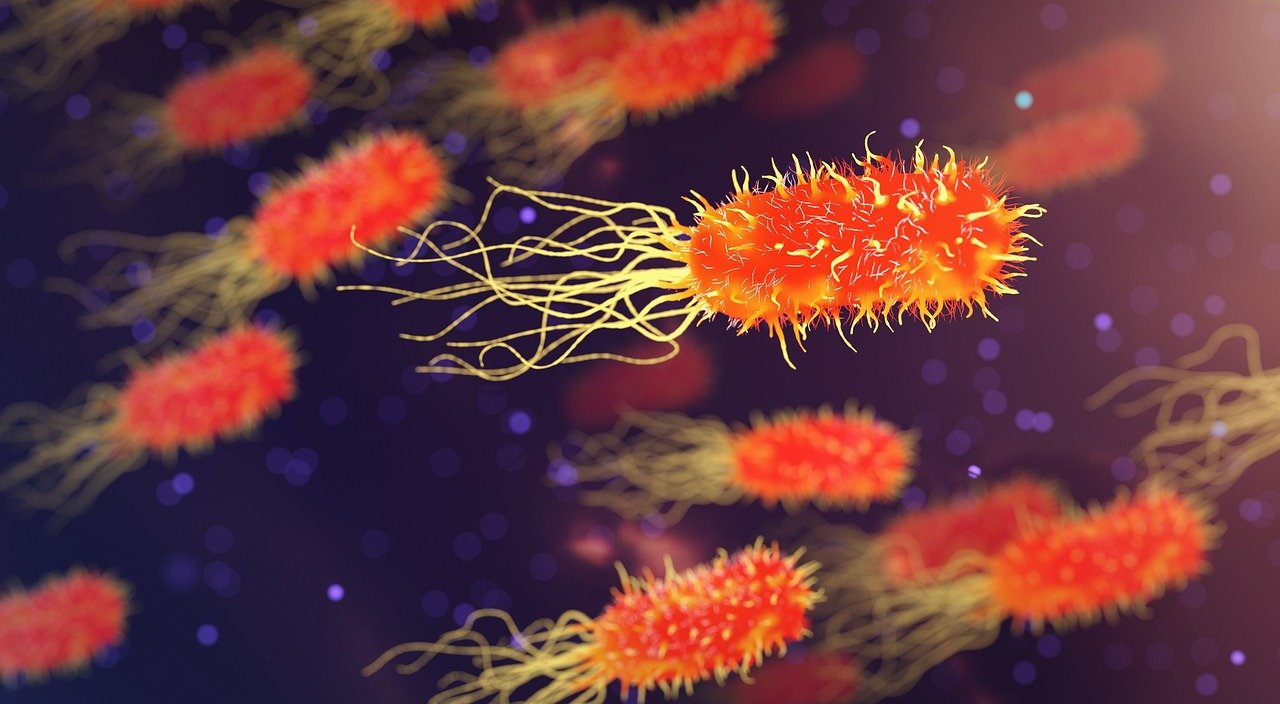
5-Amino-1MQ is a small-molecule inhibitor of nicotinamide N-methyltransferase (NNMT) — a research tool for investigating NAD+ metabolism, methylation balance, and adipocyte differentiation pathways.

AOD-9604 (Anti-Obesity Drug 9604) is the synthetic C-terminal 16-residue fragment of human growth hormone — a research tool that retains lipolytic activity without IGF-1 axis activation.

Retatrutide is the first-in-class triple receptor agonist of GIP, GLP-1, and glucagon receptors — the most advanced incretin research compound available in 2026. A complete research-context overview.

A side-by-side research comparison of three incretin-class peptides: Semaglutide (mono-agonist), Tirzepatide (dual agonist), and Retatrutide (triple agonist). Molecular profiles, mechanisms, and comparative research applications.