27
May
May
A research comparison of three foundational hexapeptide GHRPs: GHRP-6, GHRP-2 (Pralmorelin), and Hexarelin (Examorelin). Receptor binding profiles, mechanism differences, and research applications.
A research comparison of three foundational hexapeptide GHRPs: GHRP-6, GHRP-2 (Pralmorelin), and Hexarelin (Examorelin). Receptor binding profiles, mechanism differences, and research applications.
CJC-1295 (GHRH analogue with DAC modification) paired with Ipamorelin (selective pentapeptide GHRP) — the foundational GHRH/GHRP co-activation research stack.
GHK-Cu is the copper-binding tripeptide research tool for collagen synthesis, extracellular matrix remodelling, and skin biology research — with distinctive copper-dependent biochemistry.
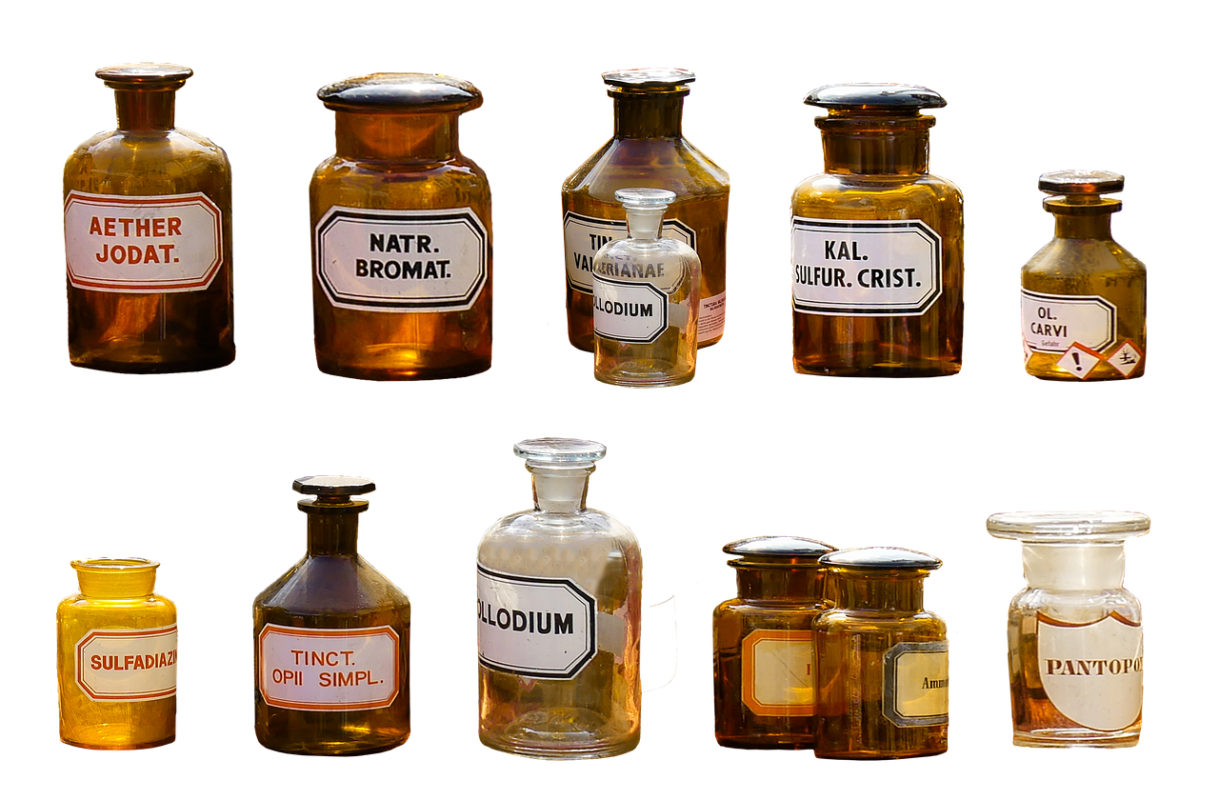
A comprehensive research overview of the major peptide compounds investigated in tissue repair and regenerative biology — covering BPC-157, TB-500, KPV, GHK-Cu, and their pre-formulated research blends.
The KLOW Blend combines four research peptides — BPC-157, TB-500, KPV, and GHK-Cu — for multi-pathway research at the intersection of regenerative biology, anti-inflammatory signalling, and dermal remodelling.
KPV is the C-terminal tripeptide of alpha-MSH — a small but mechanistically distinctive research peptide notable for anti-inflammatory activity independent of melanocortin receptor binding.
BPC-157 and TB-500 are the two foundational regenerative research peptides. They act via distinct mechanisms — comparing them provides a research framework for understanding complementary tissue-repair pathways.
A complete research-context overview of BPC-157 — the synthetic pentadecapeptide derived from human gastric juice that has become a foundational research tool in regenerative biology and cytoprotection studies.
A structural and mechanistic comparison of Liraglutide (first-generation GLP-1 analogue) and Semaglutide (second-generation), with research-tool implications for comparative pharmacology.
A complete 2026 scientific overview of the GLP-1 receptor research peptide class: receptor pharmacology, generations of agonists, mechanism comparisons, and research applications.